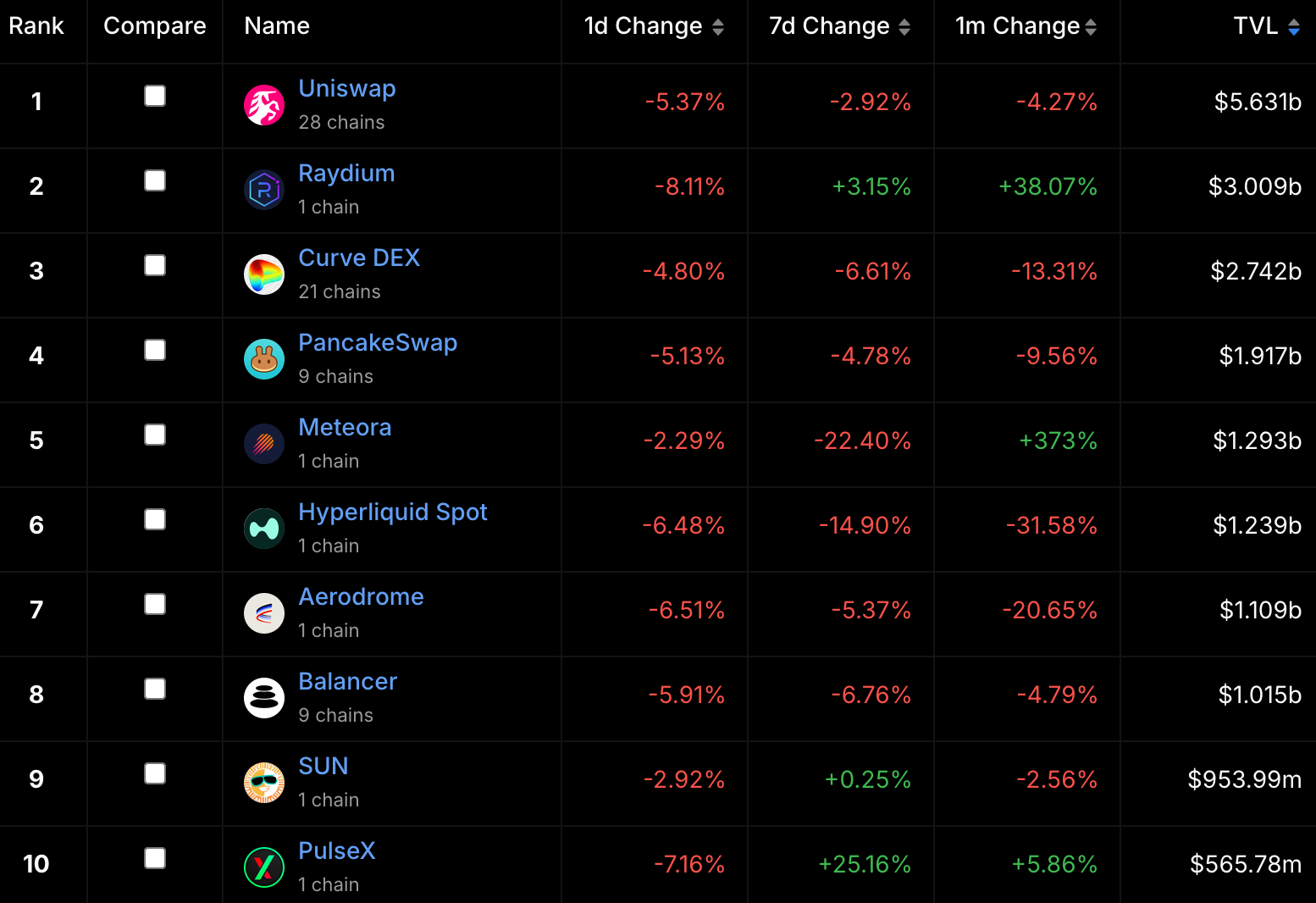
Overview of Top DeFi Platforms for Passive Income in 2025
Introduction to Passive Crypto Income in Canada
In 2025, Canadians have access to several regulated ways to earn passive income from cryptocurrency through exchanges and DeFi platforms. With the Canada Revenue Agency (CRA) classifying staking rewards and similar earnings as taxable income, it's essential to use compliant platforms like Kraken, Coinbase, or local ones such as Bitbuy and NDAX. These strategies leverage blockchain mechanics without active trading, but they come with risks like market volatility and regulatory changes. Always consult a tax advisor, as frequent activities might be treated as business income.
Key analytics show that the DeFi sector has grown, with total value locked (TVL) in platforms like Uniswap and Raydium reaching billions, indicating robust opportunities but also competition. Expected yields vary by asset and platform, influenced by network demand and economic factors.
Best Passive Income Strategies for 2025
Here are the top methods, with approximate yields based on current data (as of October 2025), risks, and expert tips. Yields are APY estimates and can fluctuate.
1. Staking
Staking involves locking your crypto to support Proof-of-Stake (PoS) networks like Ethereum or Cardano, earning rewards for validation.
 Illustration of Crypto Staking Process
- Approximate Yield: 2-7% APY. For example, Ethereum staking on Kraken offers up to 7% with an 8-day lock-up.
- Risks: Low to medium. Market volatility can erode principal value; slashing penalties for network downtime; lock-up periods limit liquidity. In Canada, rewards are taxed as income at receipt.
- Expert Tip: Start with regulated platforms like Kraken for security. Allocate 50-70% of your portfolio here for stability. Use liquid staking derivatives (e.g., stETH) to maintain flexibility.
2. Crypto Lending
Lend your assets on platforms where borrowers pay interest. Centralized options like those on Coinbase or DeFi like Aave.
 Example of a Crypto Lending Dashboard
- Approximate Yield: 5-20% APY, depending on the asset (e.g., stablecoins like USDC at 5-10%).
- Risks: Medium. Smart contract hacks, borrower defaults, or stablecoin depegging. Regulatory scrutiny in Canada could affect platforms.
- Expert Tip: Use over-collateralized DeFi lending on Aave for safety. Diversify across assets to mitigate defaults. In Canada, interest is taxed as income.
3. Yield Farming (Liquidity Provision)
Provide liquidity to DeFi pools on exchanges like Uniswap or PancakeSwap, earning fees and tokens.
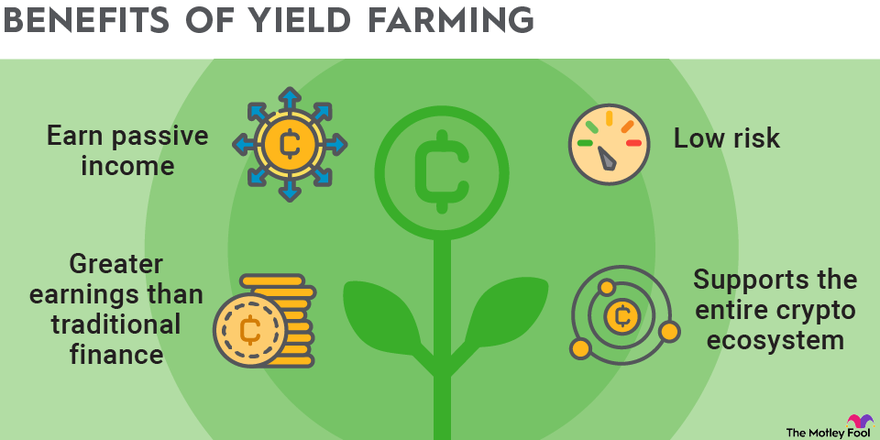
Infographic on Benefits of Yield Farming
- Approximate Yield: Variable, 10-50%+ APY but often short-term. For instance, liquidity pools on SushiSwap can yield extra governance tokens.
- Risks: High. Impermanent loss (value divergence in pools), high gas fees, rug pulls in unvetted protocols. CRA taxes rewards as income and swaps as capital gains.
- Expert Tip: Monitor TVL and use audited platforms. Rebalance quarterly. Limit to 10-20% of portfolio due to volatility.
Comparative Analytics
Here's a table summarizing the strategies:
| Strategy | Approx. Yield (APY) | Risk Level | Key Platforms (Canada-Friendly) | Tax Notes (CRA) |
|---|---|---|---|---|
| Staking | 2-7% | Low-Medium | Kraken, Coinbase, Bitbuy | Income on rewards |
| Lending | 5-20% | Medium | Aave, Compound (via wallet) | Income on interest |
| Yield Farming | 10-50%+ | High | Uniswap, SushiSwap | Income + Capital Gains |
Yields are estimates; actual returns depend on market conditions. For analytics, DeFi adoption is rising, with 2025 projections showing staking rewards stabilizing due to Ethereum upgrades, while yield farming remains volatile but rewarding in bull markets.
Final Advice
Diversify across these strategies to balance yields and risks. Start small, use hardware wallets for security, and track transactions for tax compliance. With Canada's progressive regulations, passive crypto income is viable but requires diligence.